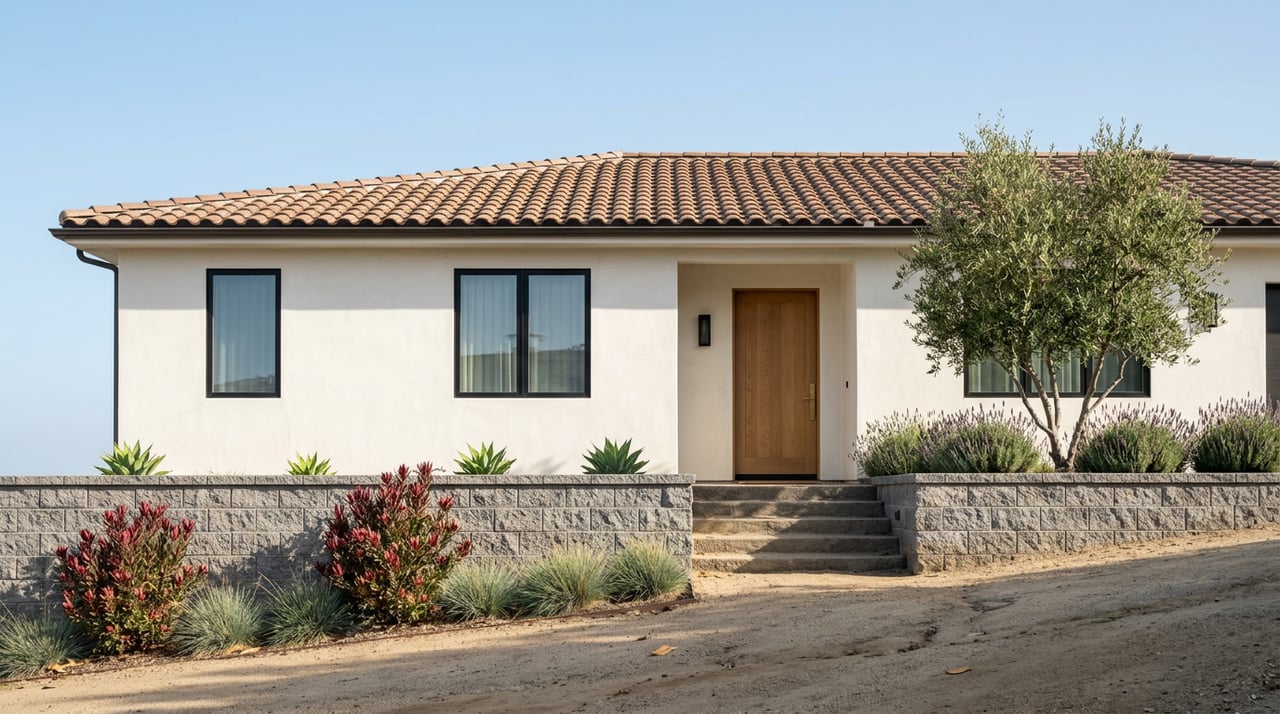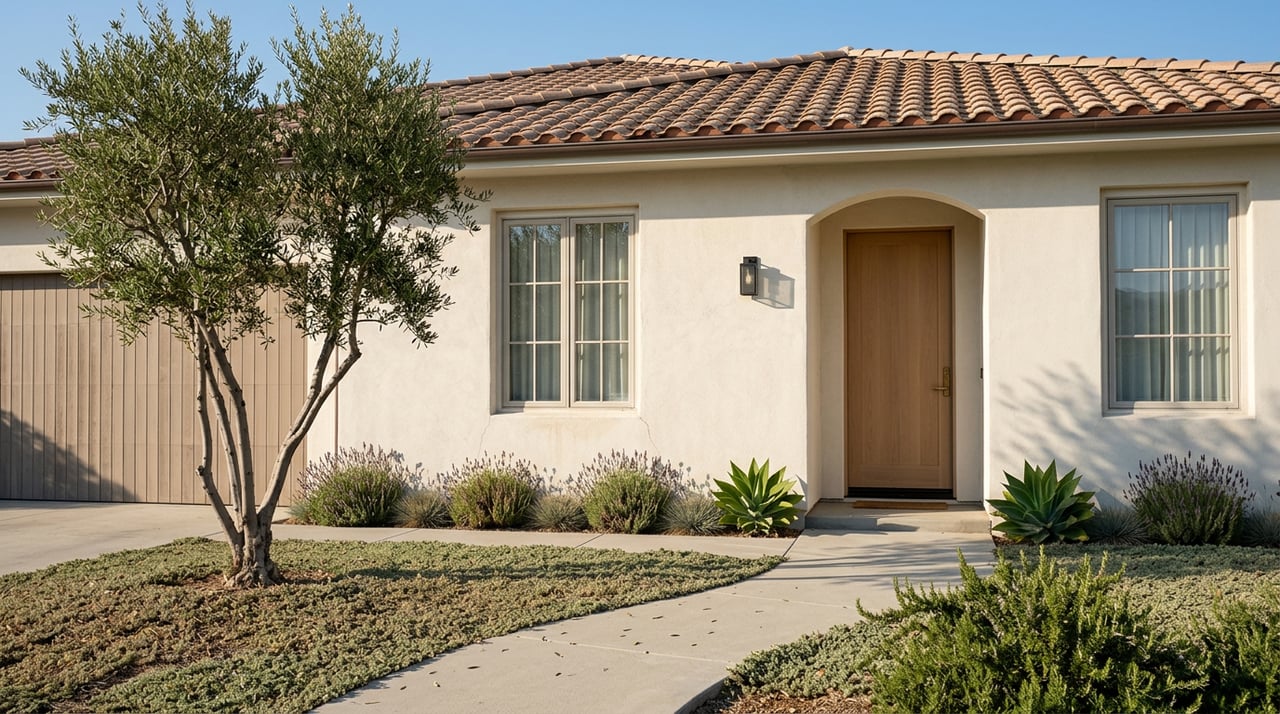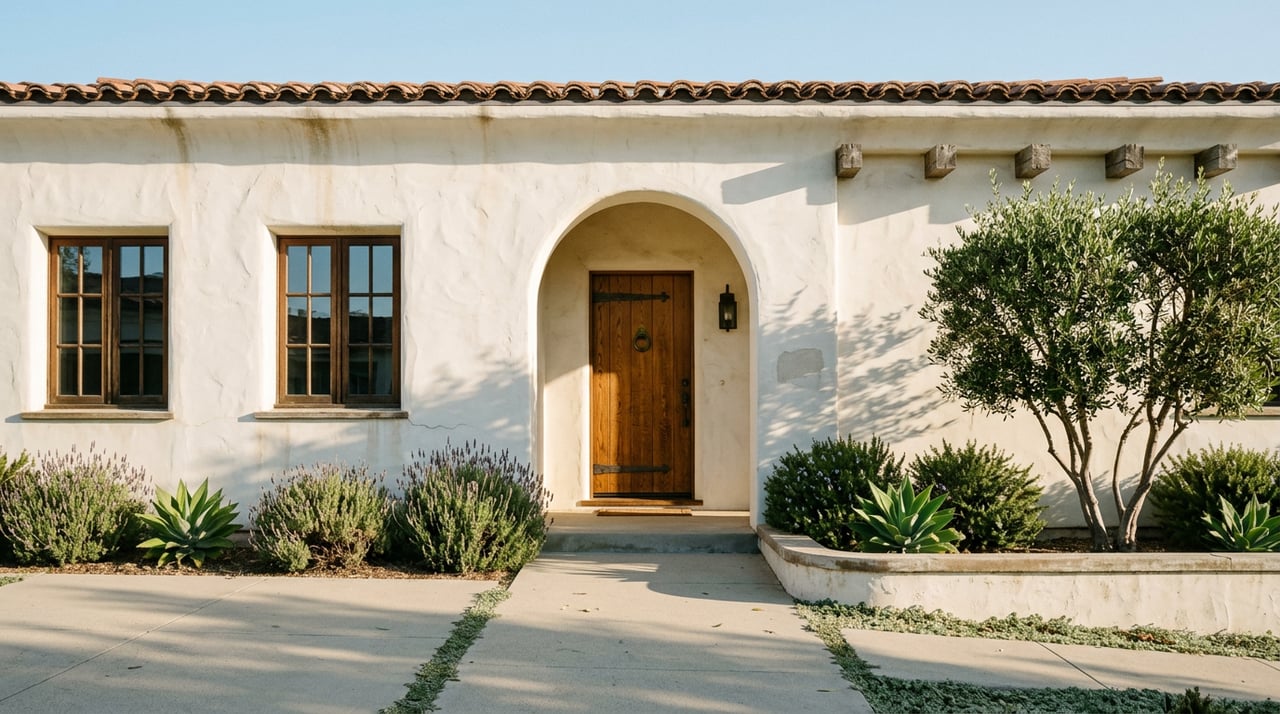
A buyer walks into escrow on a 1929 cottage tucked into the Historic District, the kind of place with original lath and plaster and a clay tile roof that has weathered a century of Santa Ana winds. The listing mentions the home is Mills Act registered, and the buyer reads that as a line item in their favor: lower property taxes, an extra few hundred dollars back in their pocket every year. What the listing rarely spells out is that the Mills Act contract does not belong to the seller. It belongs to the house. And when title transfers, the buyer inherits every obligation the previous owner signed up for, whether or not anyone walked them through the paperwork before they wrote their offer.
That is the part of a San Juan Capistrano historic-home purchase that catches people off guard, and it is worth understanding before you fall for the charm of an adobe on Los Rios Street or a Spanish-style bungalow near the Mission.
The tax break every listing mentions
San Juan Capistrano's own guidance on the Mills Act is direct about what qualifies. A property owner benefits from the Mills Act only after a contract approved by the City Council is recorded with the County, and that contract is available exclusively to buildings already listed on the City's Inventory of Historic and Cultural Landmarks. This is not a program a buyer can apply for after closing on a charming old house. The landmark designation has to already exist, and the contract has to already be in place.
Once it is, the numbers can be real. According to the County Tax Assessor's office, tax assessments on Mills Act properties can be reduced by 15 to 60 percent. On a home assessed anywhere near San Juan Capistrano's current price levels, where the city's median sale price ran near $1.8 million over the three months ending June 2026, that range represents a meaningful annual difference.
But the tax formula is only half the deal. The other half is what the city calls preservation, and it is written into state law, not just local custom.
What actually transfers at closing
California's Mills Act framework, administered through the state Office of Historic Preservation, spells out the mechanism plainly: these contracts run for a minimum of ten years with automatic yearly extensions, and they stay with the property when it sells. Subsequent owners are bound by the contract and carry the same rights and obligations as the person who originally signed it.
In practice, that means a buyer closing on a Mills Act home in San Juan Capistrano is not negotiating a fresh deal with the city. They are stepping into whatever restoration schedule, maintenance standard, or scope of work the prior owner agreed to, sometimes years earlier. If that owner fell behind on an agreed repair or never finished a promised restoration phase, the new owner now owns that gap. Ending a Mills Act contract early is not a simple opt-out either. It typically requires a formal process with the city rather than a quiet walk-away, which is one more reason most owners choose to keep the benefit and the obligation together rather than fight it.
The clause that decides what you can touch
Landmark status in San Juan Capistrano carries its own separate set of strings beyond the tax contract. Any alteration, addition, relocation, or demolition affecting a designated landmark requires a permit through the city's Site Plan Review process. That covers the obvious things, like adding a second story or replacing a roofline, but it also covers smaller decisions a homeowner might otherwise make without a second thought, like swapping out original windows.
The upside is that designated landmarks also qualify for a Historic Building Fee Waiver on certain preservation work and can use the State Historical Building Code, which allows alternate, sometimes less expensive ways to meet code requirements during rehabilitation. For an owner who wants to keep a home's original bones intact, that flexibility matters. For an owner who wants to gut a kitchen and open up a floor plan, it can mean a longer runway to permits than a non-landmarked home down the street.
Here is a simple way to see the gap between what a listing sheet advertises and what the recorded contract actually requires:
| What the listing sheet emphasizes | What the recorded contract requires |
|---|---|
| Lower annual property tax bill | A minimum 10-year preservation commitment that renews automatically |
| Historic charm and character | Site Plan Review before most exterior changes |
| "Mills Act registered" as a selling point | The buyer inherits any unfinished restoration work from the seller |
Why the comps don't help you here
San Juan Capistrano's Los Rios District is the oldest residential neighborhood in California, and only forty homes remain within it, including three original adobe structures, the Montanez, the Rios, and the Silvas, all built in the late 1700s and early 1800s to house the people who built the Mission and worked its ranch lands. The rest of the district filled in later, largely with homes built by European immigrant families in the late 1800s and early 1900s.
That scarcity shows up directly in the sales data. As of this writing, a search limited to homes tagged historic district within San Juan Capistrano turns up only a handful of active listings, with a median list price around $1.55 million, well under the citywide median of $1.8 million over the same recent window. That gap is worth sitting with. A landmarked home with genuine architectural pedigree and a real tax discount is, on this small sample, pricing below the broader market rather than above it. The most likely explanation is not that these homes are worth less. It is that the buyer pool for a property bound to a preservation contract and a Site Plan Review process is smaller than the buyer pool for a comparable home with no strings attached, and a smaller buyer pool tends to soften price even when the underlying asset is rarer.
With so few transactions to draw from, any single sale can swing the median hard in either direction. Treat this as a signal to investigate further, not a rule to price against.
Before you write an offer
If a Mills Act property is on your list, a few steps early in the process save real headaches later.
- Request the actual recorded contract from the seller or the city, not just the MLS remarks that mention Mills Act status.
- Ask what restoration or maintenance work the contract requires and confirm whether it has been completed or is still outstanding.
- Check with the city on whether any Site Plan Review applications are pending or were denied on the property.
- Talk to your lender early about how they treat a Mills Act property during underwriting, since the reduced tax assessment and any recorded restrictions can factor into their review.
None of this is complicated once you know to ask. The problem is that a listing sheet has no obligation to walk you through it, and by the time most buyers think to ask, they are already three weeks into escrow.
A few questions that come up during escrow
Does the Mills Act contract cancel when the home sells? No. It stays with the property. The new owner takes on the same rights and obligations the seller had, without needing to reapply or renegotiate.
Can a buyer simply decline the contract at closing? Not in practice. The contract is recorded against title, and unwinding one before its term ends generally requires a formal process with the city rather than a simple opt-out at close.
Does the reduced tax assessment carry over automatically? Yes, the assessment tied to the recorded contract applies to whoever owns the home under that contract. What does not carry over automatically is a clean slate on restoration work. If the previous owner left something unfinished, that becomes the new owner's responsibility.
Will the city check on the property after I buy it? California's Mills Act framework allows local governments to confirm that agreed preservation work is happening on schedule, so a buyer should assume the home may be reviewed periodically rather than treating the contract as a one-time formality.
A Mills Act home in San Juan Capistrano can be one of the more rewarding purchases in South Orange County, a genuine piece of the state's oldest residential history with a tax bill that reflects it. It is also a commitment that outlasts the closing table. Reading the actual contract before you write an offer, not just the listing description, is the difference between inheriting a well-kept piece of California history and inheriting somebody else's unfinished project.
If you are weighing a historic property in San Juan Capistrano, or trying to figure out what a Mills Act listing actually means for your specific situation, Maureen Hensley can walk through the recorded contract and the city's process with you before you get too far into escrow. Let's Connect.