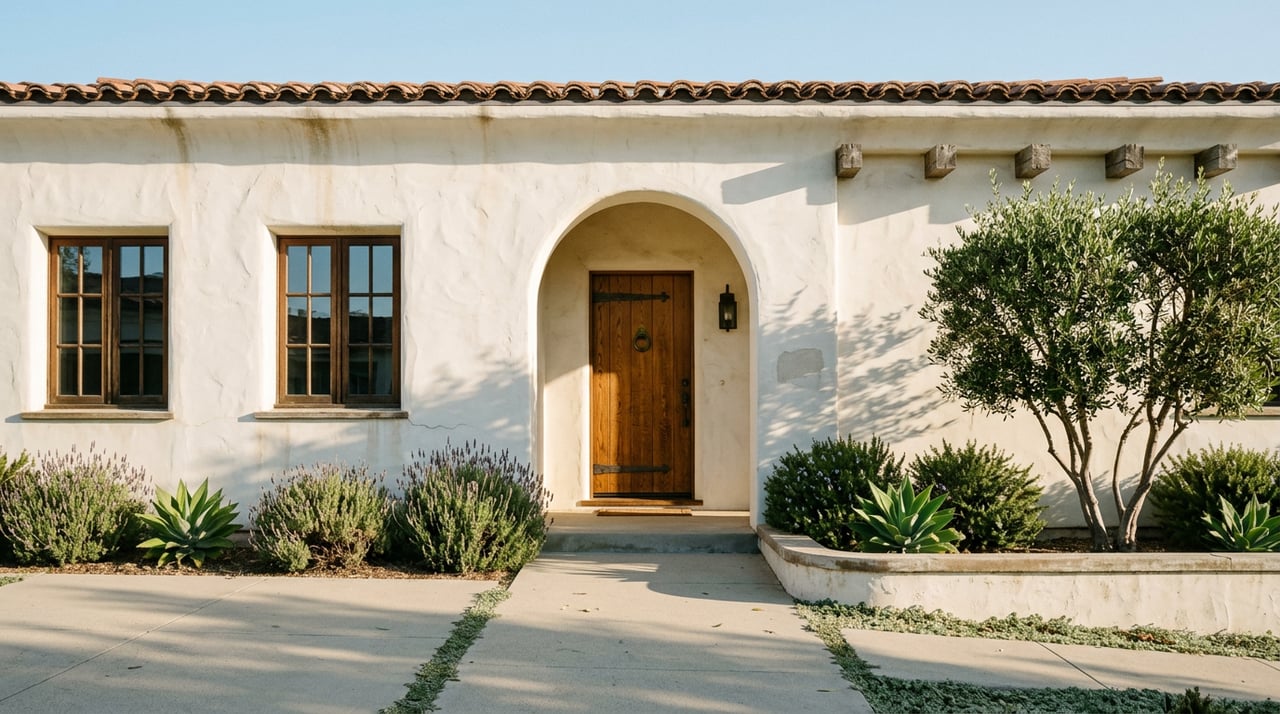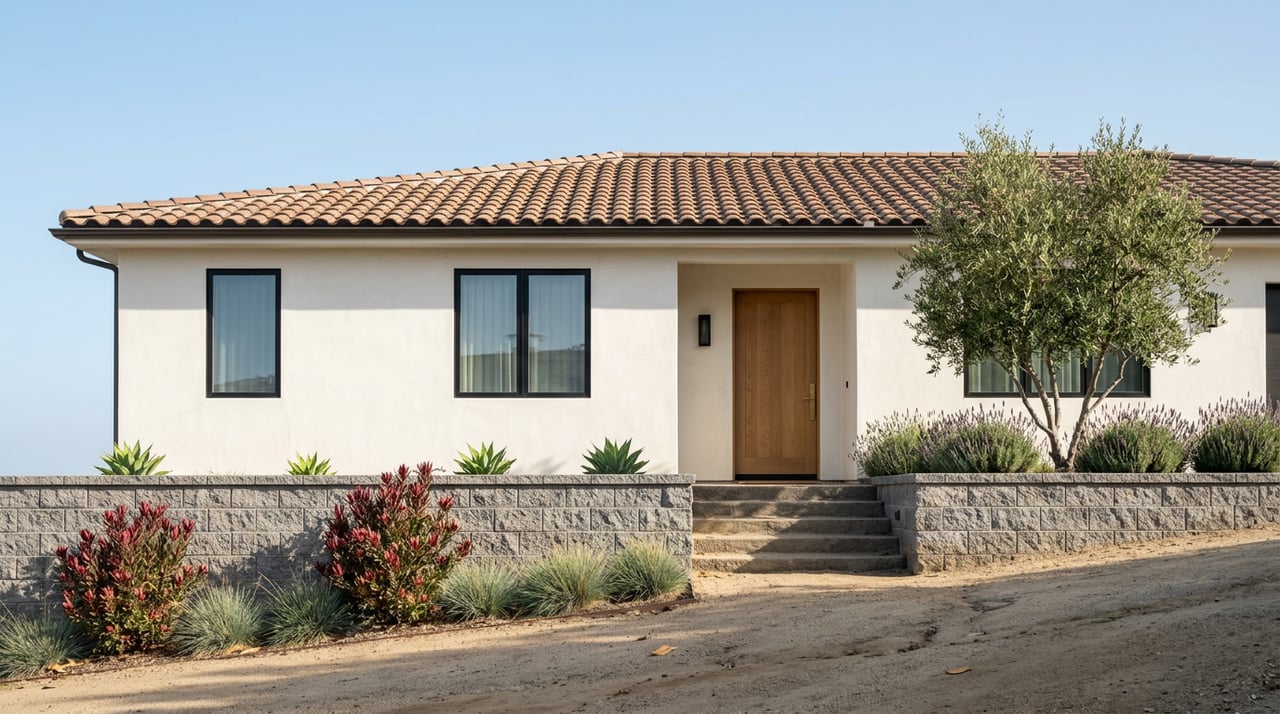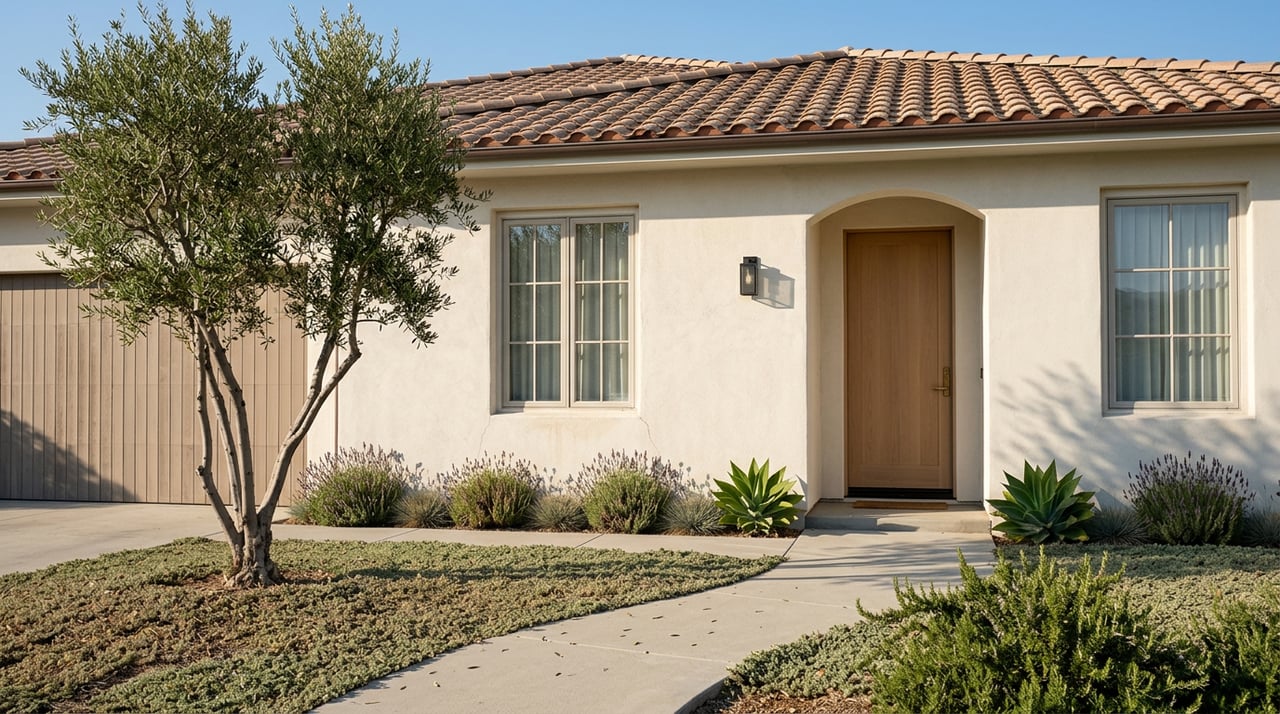
Two houses sit across the street from each other in Mission Viejo. Same builder, same floor plan, same year, same square footage. One closes with an extra line item on the settlement statement and a permanent semi-annual bill that follows the property forever. The other doesn't. Nothing on the MLS photo set tells you which is which, and by the time it shows up in the HOA disclosure package, you're usually deep enough in escrow that reversing course costs real money.
That single line item is Lake Mission Viejo Association membership, and it's the most misunderstood variable in the local market. Buyers treat it as an amenity. It behaves more like a recorded property right. If you're comparing homes on the portals and pricing them off the citywide median, you are almost certainly comparing two different assets and calling them the same thing.
The parcel is the member, not you
Lake Mission Viejo is a private recreational lake, not a public one. It's owned and operated by the Lake Mission Viejo Association, which has run it since 1977, and access is limited to member properties and their invited guests. The mechanism that decides which homes qualify is written into the CC&Rs of the original Mission Viejo Company parcels, and it does not track the owner or the street address. It tracks the deed.
That distinction matters because once a property has LMVA membership it is a permanent aspect of ownership, and transfers to the new owner upon sale, as with any typical HOA. This guarantees a stable membership base to share the costs of operating the Lake in future years and is part of the CC&R's. You can't opt out at close. You can't cancel it after you move in. If the parcel is a member when you buy, you are a member the moment escrow closes, and the semi-annual assessment starts arriving on your calendar.
Why the map has holes
The pattern that trips up out-of-area buyers is that eligibility looks geographic but isn't. 24,995 homes are under the lake association that provides the membership for the lake. For reference, there are 32,650 so over three-fourths of the city's homes qualify for the lake membership. That leaves roughly a quarter of Mission Viejo housing stock inside city limits but outside the lake system. Those homes can sit on the same block as members, share the same schools, and show up in the same portal search, but the parcel record tells a different story.
Homes that were built by the Mission Viejo Company before the LMVA homeowners association was established and are within the boundaries of the Mission Viejo planned community are considered Lake Eligible Homes. Since these homes were built and occupied before the Lake was established, the original homeowner were invited, but not required, to join LMVA. The offer is still extended if the home isn't currently a LMVA member-property. Once a property becomes a member, it stays with the home, and transfers to the new owners upon sale. Not all homes built before 1978 are Lake eligible. The upshot: a house built in 1976 might be eligible but never joined, a house built in 1980 might not qualify at all, and the only way to be sure is to check the specific address against LMVA's records before you write.
What the 2026 fees actually add to the deal
The numbers themselves are modest. The interpretive question is what they buy you and when they hit. Here's the current schedule, drawn from the association's 2026 posting:
| Charge | 2026 amount | When it's paid |
|---|---|---|
| Semi-annual assessment | $193 | January 1 and July 1 |
| Annual total | $386 | Roughly $32/month |
| Escrow transfer fee | $300 | One-time, at close |
| Orientation fee for a first-time joining home | $100 | One-time |
| Tenant transfer fee | $75 | When landlord assigns privileges |
| Replacement badge | $10 | As needed |
Two details in that table deserve attention. First, the $300 escrow transfer fee is a closing cost the buyer typically absorbs, and it's separate from any tract-level HOA transfer fee that may also apply. Second, the assessment is layered on top of whatever neighborhood HOA already governs your community. A condo owner in an LMVA-eligible tract can be paying a master HOA, a sub-association, and the lake assessment simultaneously.
Set against a Mission Viejo median sale price of roughly $1.2M over the three months ending May 2026, per Redfin, $386 a year is a rounding error on a mortgage payment. The reason it matters isn't the dollar figure. It's the fact that the fee proves the parcel carries a recorded access right that a non-eligible parcel across the street does not.
How this shows up in comps
When homes are moving in about 31 days with an average of five offers each, per Redfin's May 2026 read of the Mission Viejo market, the temptation is to compare the last four sales on the street and price accordingly. That works fine in a tract where every parcel shares the same membership status. It falls apart in the mixed zones near the lake perimeter.
Consider Mallorca, one of the tracts most often cited in lake-area searches. Recent Mallorca sales that ranged from a 2-bedroom, 2-bath home at $800,000 to a 4-bedroom, 2.5-bath home at $1.52 million, with a 2-bedroom penthouse at $1.13 million, according to Realtor.com market snapshots. That wide spread shows why buyers should avoid broad assumptions. Near the lake, price can reflect a combination of property type, view corridor, scarcity, and location within a specific tract. A spread of that width inside a single tract tells you the comp set is doing more work than the median suggests. View corridor, dock or beach adjacency, and whether the specific parcel carries active membership are all doing part of the pricing.
If you are shopping Tres Vistas, Finisterra, Mallorca, or single-family neighborhoods like Madrid del Lago, the practical move is to pull comps within the same micro-tract and confirm membership on each one before you use them as anchors. A comp from an eligible parcel doesn't price a non-eligible parcel next door, and vice versa. Vista del Lago is worth flagging separately because it is the only apartment community LMVA lists as eligible for membership, which makes it an outlier in any condo comp set.
One rule change that just landed
The lake system isn't static. The LMVA board adopted changes to boat storage rates at its May 12, 2026 meeting, and those took effect July 1, 2026. If you're buying a lake-eligible home with the intent to keep a boat on the water, storage economics are part of your carrying cost math and worth confirming with the association before you commit.
Before you write the offer
The verification sequence is short, and doing it in the right order saves the most stress:
- Ask your agent to confirm LMVA eligibility for the specific parcel through the association's membership office, not by inference from the neighborhood name.
- If the home is eligible but has never joined, understand that a $100 orientation fee applies when you activate it, and that once activated the membership is permanent.
- Read the HOA disclosure package with an eye for the LMVA line specifically, since a tract sub-association fee and the lake assessment are two different bills.
- If you plan to rent the home, price in the $75 tenant transfer fee and the fact that lake privileges can pass to a tenant but the assessment obligation stays with you as the owner.
- Comp the property against other parcels with the same membership status, not against the citywide median.
Done in that order, none of this is complicated. Done out of order, it's the kind of thing a buyer discovers three weeks into escrow and spends a weekend recalculating.
Questions that come up during escrow
Can a seller strip the membership before closing to lower the assessment history? No. Membership is a permanent parcel-level right, recorded through the CC&Rs, and it transfers automatically at close.
Does an LMVA-eligible home always sell for more than a non-eligible one nearby? Not automatically. Membership is one variable among several, and view, lot, updates, and micro-tract location often carry more weight in a given sale than the assessment itself.
What if the parcel is eligible but the current owner never joined? You can still activate membership at close, subject to the $100 orientation fee, and it becomes permanent from that point forward.
Let's Connect
If you're comparing homes in Mission Viejo and want a clear read on which parcels carry lake membership, which comps actually apply, and what your carrying costs will look like after close, I'm happy to sit down and walk through it. Reach out through Maureen Hensley Homes to start the conversation.