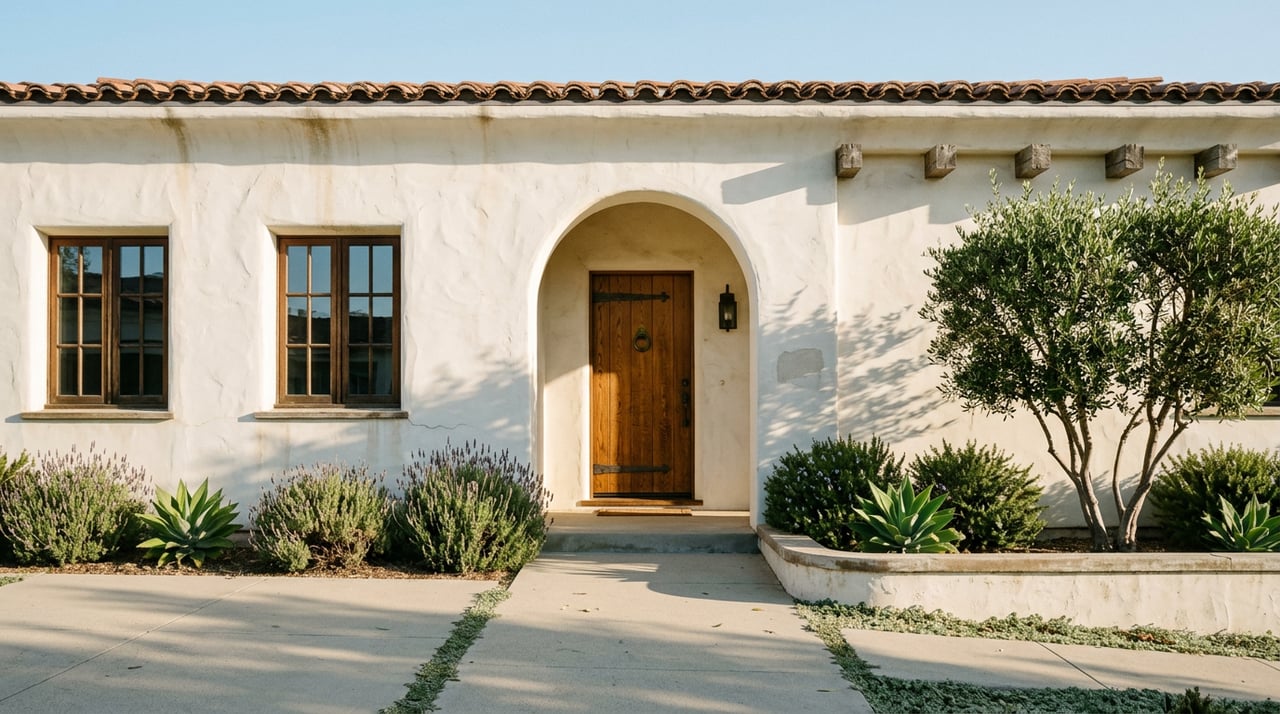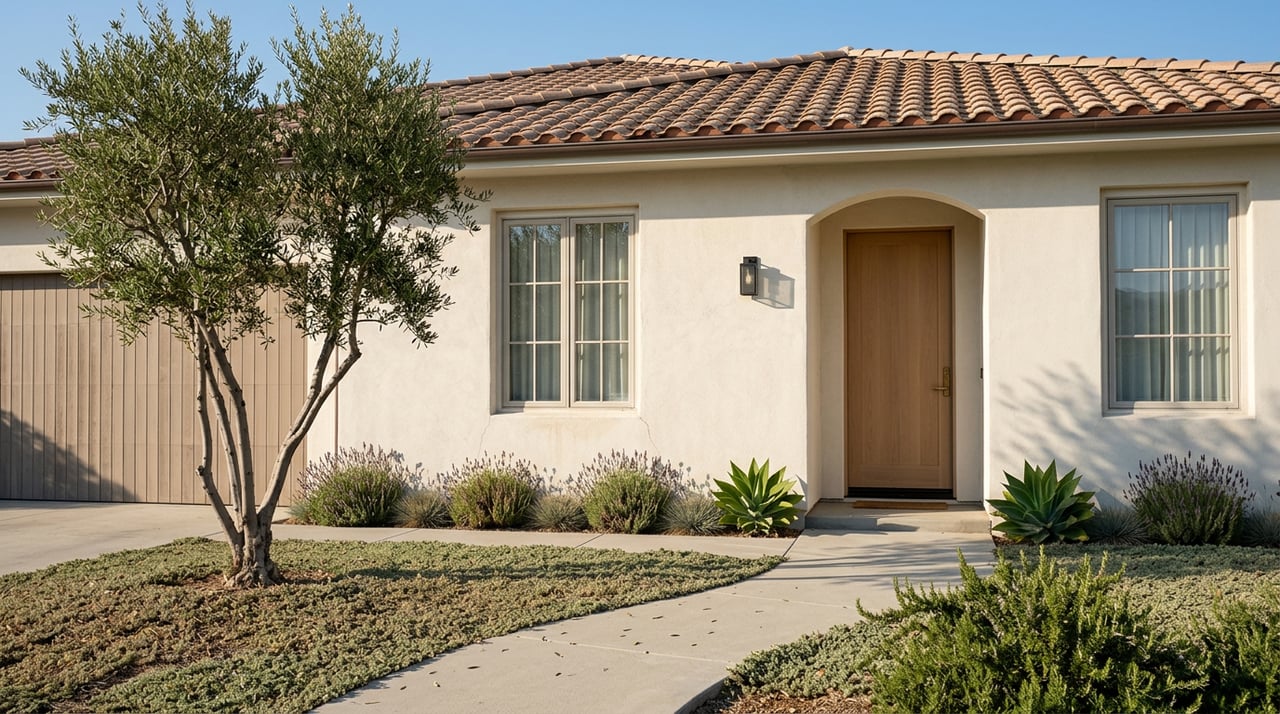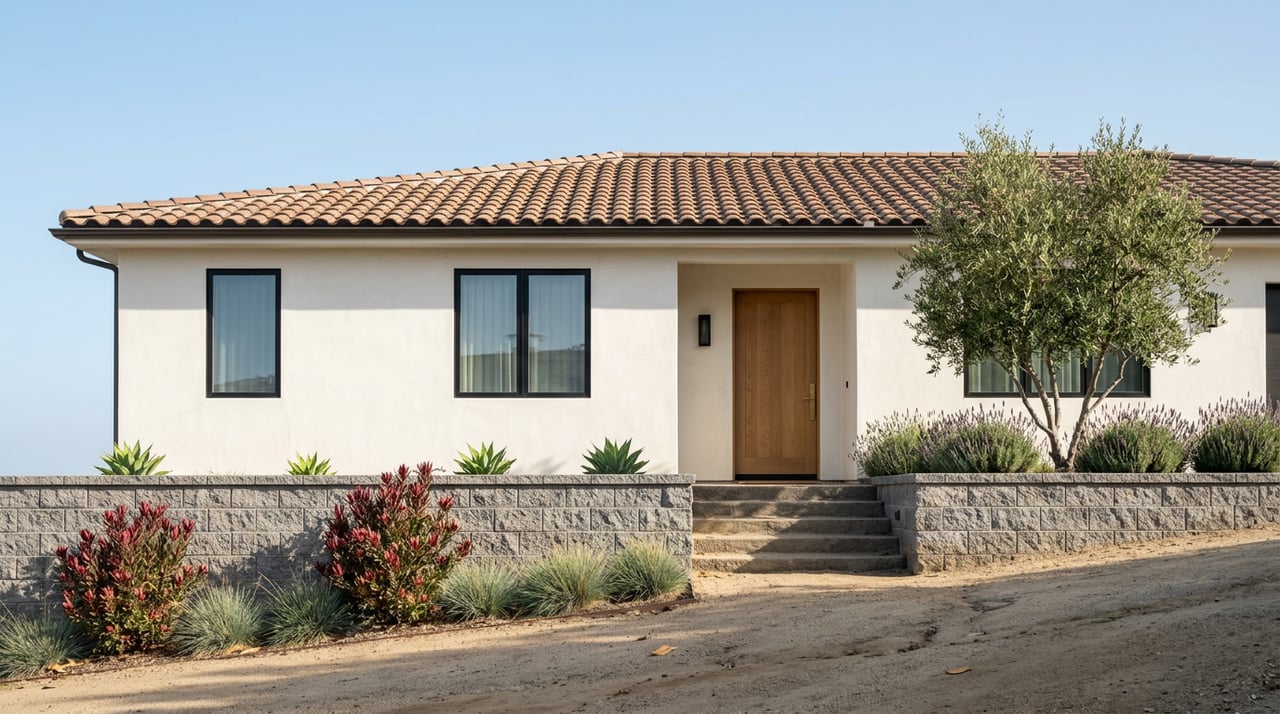
Pull up two Laguna Niguel listings side by side. Same decade of construction, same three bedrooms, same rough square footage. One is priced two hundred thousand dollars above the other. Nothing about the photos explains it. No pool, no addition, no obvious upgrade. The difference sits somewhere the listing photos never show: which of the city's overlapping homeowner associations that parcel belongs to, and whether it carries a special tax the other one doesn't.
That gap is the story most citywide market reports skip past. Laguna Niguel gets treated as a single number on a chart, one median price moving up or down with the season. It behaves more like five interlocking markets that happen to share a zip code, each shaped by when it was built and which association governs it. If you're comparing homes here on price alone, you're comparing apples that were grown in five different orchards.
The median itself won't hold still
Even the basic "what does a home cost in Laguna Niguel" question doesn't have one answer right now. Over the three months ending in May 2026, Redfin put the citywide median sale price at $1.4 million, up 7.3 percent year over year, with price per square foot holding flat at $738. Movoto's separate tracker put the July 2026 median at $1,324,950, roughly $75,000 lower.
Neither source is wrong. They're sampling different months, different mixes of condos and detached homes, different corners of the city. That gap between two trackers looking at nearly the same stretch of 2026 is itself a clue. A single city-level median can't describe a market built from five distinct association territories with different amenity loads, different tax histories, and different buyer pools. Treat any one number as a starting point for a conversation, not a verdict on what your home, or the one you're eyeing, is actually worth.
Five associations, one city limit
Laguna Niguel was carved out of the historic Niguel Ranch and built out almost entirely under master-planned community frameworks starting in the 1960s. The city's own HOA resource page confirms there are over 120 homeowner associations operating within Laguna Niguel today, each governed by its own CC&Rs and each still subject to city zoning code on top of that.
Zoom out from the individual tract level and the city organizes into five major association territories: Bear Brand, Marina Hills, Niguel Summit, San Joaquin Hills, and Crown Cove. Each one carries its own dues structure, its own amenity mix, its own greenbelt and trail access, and its own effect on what a home resells for. Buying in Laguna Niguel isn't just buying a house. It's buying into one of these five frameworks, and that choice shapes your monthly costs and your resale ceiling more than most buyers realize until they're already in escrow.
What stacks on what
Here's where the differences get concrete. Based on current listings and disclosure documents across the city's best-known communities:
| Community | What the dues actually cover | The catch |
|---|---|---|
| Kite Hill | A single flat fee, commonly cited around $140 a month | No master HOA layered on top, which keeps the number predictable |
| Marina Hills | Both a master HOA and a separate sub-HOA | Both obligations are active and both appear in escrow disclosures, which surprises buyers who only saw the MLS number |
| Bear Brand | Multiple subdivisions, each with its own HOA | Fees range from roughly $250 to $1,850 a month depending on which subdivision and gate tier |
| Niguel Summit | CC&R-funded common area and slope maintenance | Hillside landscaping is the main cost driver, and it's a real ongoing expense on view lots |
| Rancho Niguel | A master HOA (Rancho Niguel Master) with several sub-associations underneath it | Combined dues depend entirely on which tract you're in, and the stacking catches first-time buyers off guard |
The pattern across all five: the number printed on a listing sheet is frequently just one layer of what you'll actually owe. Ask for the full disclosure package before you anchor to that figure, not the abbreviated version that made it into the marketing remarks.
The tax that only some vintages carry
Layered on top of HOA dues is a second, separate cost that depends entirely on when a tract was built: Mello-Roos, formally the Community Facilities District tax authorized under California's 1982 Mello-Roos Community Facilities Act. Most of Laguna Niguel predates the era when CFDs became standard practice for financing new infrastructure, which means the majority of its established neighborhoods, including Marina Hills, Kite Hill, Bear Brand Ranch, and Niguel Summit, do not carry Mello-Roos obligations at all.
That's a meaningful contrast with newer master-planned communities elsewhere in Orange County, where a CFD can add $100 to $500 a month to a buyer's carrying cost on top of the mortgage payment. A small number of newer developments or infill projects within Laguna Niguel may still carry a CFD charge, which is exactly why this isn't something to assume either way based on the neighborhood's general reputation. The only reliable way to know is to request a full property tax breakdown from your escrow officer and confirm whether any assessment applies to the specific parcel, not just the tract name.
California law backs this up procedurally too. Under the Davis-Stirling Common Interest Development Act, associations are required to provide prospective purchasers with governing documents, financial statements, a reserve study summary, current assessment information, and any pending litigation disclosure within 10 days of a written request. Ask for all of it early, not after you've already written the offer.
What this actually explains on the comps sheet
Once you see the association and tax layering, the price-per-square-foot variance across Laguna Niguel stops looking random. In a recent three-month period in 2026, while the citywide average sat at $738 per square foot, the Niguel Hills tract specifically was trading around $825 per square foot, up 16.1 percent year over year even as its median sale price dipped 12 percent from the year before. Recent listings put Bear Brand's median near $2 million, roughly $700,000 above the neighboring Beacon Hill tract's $1.3 million median, despite both sitting within the same broad hillside geography near Ocean Ranch Village.
Square footage and view don't fully explain gaps of that size. What's often baked into the higher number is everything a guard-gated, amenity-heavy association bundles in: the slope maintenance at Niguel Summit, the 24-hour patrol and country club proximity around Bear Brand, the private streets and pool access some Rancho Niguel tracts carry. Buyers are pricing in the whole package, not just the structure. That means a raw price-per-square-foot comparison across association lines will always look distorted unless you first control for what's actually included in that number.
Before you anchor to any comp
If you're actively comparing homes across Laguna Niguel's different pockets, work through this before you let a citywide median or a single comp set your expectations:
- Ask for the complete HOA disclosure package for the specific property, not a summary. Confirm whether a master HOA, a sub-HOA, or both apply.
- Request the current property tax bill and look for a Community Facilities District or Mello-Roos line item. Don't assume based on the neighborhood's age or reputation.
- Pull the HOA's most recent reserve study. A well-funded reserve lowers the odds of a future special assessment landing on your desk a year after closing.
- Ask specifically about pending litigation. Active HOA litigation can complicate financing and creates liability that outlasts the sale.
- When you compare price per square foot, compare within the same association wherever possible. A Kite Hill comp tells you very little about what a Bear Brand or Niguel Summit home should cost.
A few questions worth asking directly
Does every home in Laguna Niguel have an HOA? The overwhelming majority do, given the city's master-planned development history, but dues and structure vary enormously by tract. Some communities layer a master HOA and a sub-HOA on the same property.
Is Mello-Roos the same thing as an HOA fee? No. HOA dues fund association-managed amenities and maintenance. Mello-Roos is a separate, tax-authority-backed assessment tied to infrastructure financing, and it shows up on your property tax bill rather than in a monthly HOA statement.
How do I find out if a specific address carries a CFD tax? Ask your escrow officer for a full property tax breakdown as soon as you're in contract. The parcel's tax history will show any CFD line item, and it's worth confirming before you finalize your offer rather than after.
If you're weighing homes across Laguna Niguel's different associations and want someone who can walk through what each tract's dues and tax history actually mean for your monthly numbers, reach out to Maureen Muno Hensley. Let's Connect.